
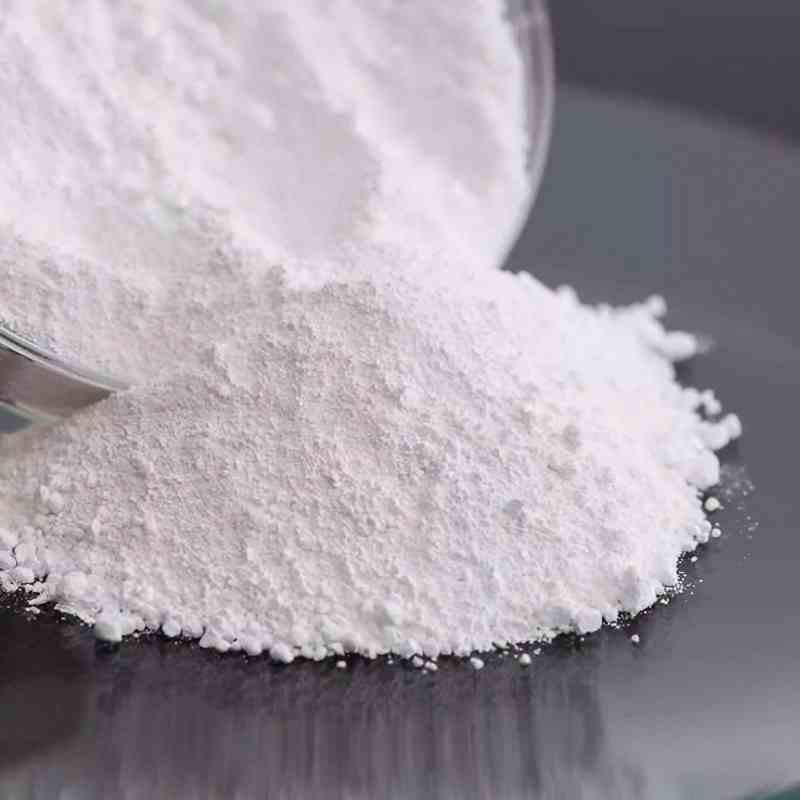
What Does “High Specific Surface Area Calcium Hydroxide” Mean?
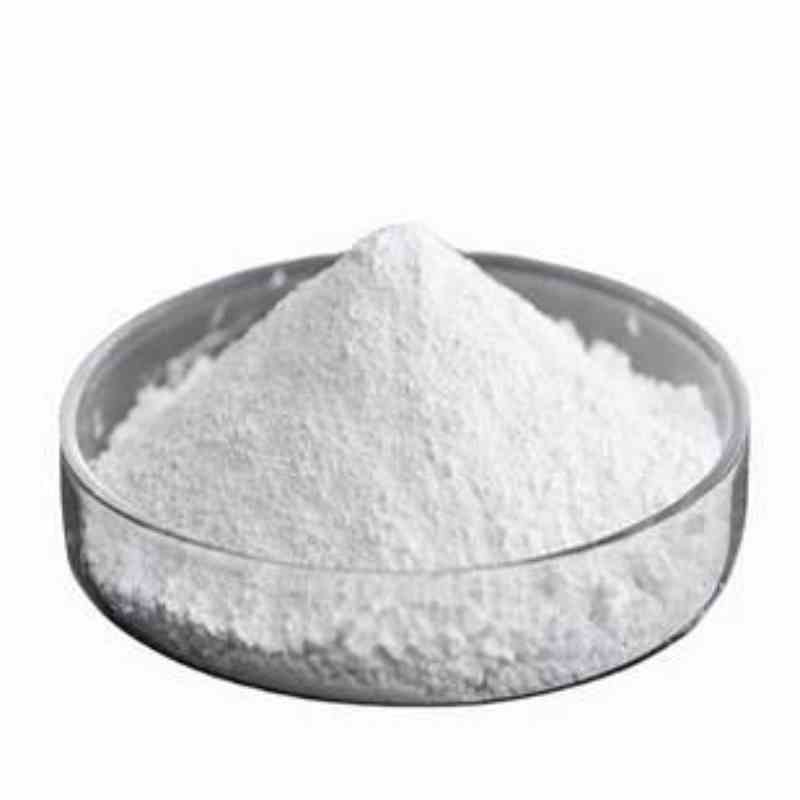
Calcium hydroxide (Ca(OH)₂) is an alkaline material widely used in industries such as construction, chemical manufacturing, and environmental protection. As its fields of application expand, the performance requirements for calcium hydroxide have also gradually increased. Specific surface area is one of the key parameters used to evaluate the performance of calcium hydroxide particles; it directly influences the material’s reactivity and its ability to interact with other substances.
Definition of Specific Surface Area and High Specific Surface Area Calcium Hydroxide
Specific surface area refers to the total surface area possessed by a unit mass of a substance, typically expressed in units of m²/g. The higher the specific surface area, the finer the particles of the material; this results in a larger exposed surface area, which in turn enhances the substance’s reactivity and adsorption capacity.
High specific surface area calcium hydroxide—that is, calcium hydroxide products possessing a relatively large specific surface area—is a form of calcium hydroxide that has been optimized in terms of its production process and particle structure. Its specific surface area typically ranges from 30 to 50 m²/g, which is significantly higher than the 10 to 20 m²/g range typical of ordinary calcium hydroxide. Due to its minute and porous particle structure, high specific surface area calcium hydroxide reacts rapidly and exhibits excellent adsorption capabilities when coming into contact with other substances in the environment.
Preparation Methods for High Specific Surface Area Calcium Hydroxide
The preparation of high specific surface area calcium hydroxide requires specialized process control, primarily involving steps such as calcination, hydration (slaking), and cooling. The conditions at each stage must be precisely adjusted to ensure the generation of calcium hydroxide particles with a high specific surface area. The specific methods are as follows:
Calcination: First, high-quality limestone (calcium carbonate) undergoes calcination—a process conducted at high temperatures (900–1000°C) to produce calcium oxide (CaO). The calcination temperature must be strictly controlled, as excessively high temperatures can cause the surfaces of the calcium oxide particles to sinter (fuse together), thereby reducing their specific surface area.
Hydration (Slaking): The calcium oxide obtained from calcination is reacted with water to produce calcium hydroxide. This process is an exothermic reaction; therefore, cooling measures must be employed to prevent high temperatures from negatively impacting the specific surface area. During the hydration process, the quantity of water, reaction time, and temperature must be precisely controlled to ensure that the resulting calcium hydroxide particles are minute and porous, thereby achieving a large specific surface area. Grinding and Classification: Following the slaking process, the calcium hydroxide undergoes grinding to further reduce particle size. Subsequently, classification equipment is utilized to screen and select the product exhibiting the optimal specific surface area.
Drying and Activation Treatment: During the drying process, care must be taken to avoid excessively high temperatures, which can negatively impact the specific surface area. Simultaneously, surface activators may be added to further enhance the specific surface area and improve the material’s surface characteristics.
Characteristics of High Specific Surface Area Calcium Hydroxide
Due to its ultrafine particles and porous structure, high specific surface area calcium hydroxide exhibits the following characteristics:
High Reactivity: As the specific surface area increases, the surface exposure of the calcium hydroxide is enhanced, resulting in a larger contact area with other chemical substances and, consequently, a faster reaction rate.
Strong Adsorption Capacity: The porous structure of high specific surface area calcium hydroxide endows it with superior adsorption capabilities, enabling it to effectively adsorb gases, liquids, or fine particulate matter. This feature is particularly critical in air purification and water treatment applications.
Excellent Dispersibility: The finer the particles—and thus the larger the specific surface area—the better the dispersibility. When incorporated into various material mixtures, highly dispersible calcium hydroxide integrates more uniformly with other substances, thereby ensuring the overall performance of the composite material.
Superior Anti-agglomeration Properties: While fine-particle calcium hydroxide is typically prone to agglomeration due to its high reactivity, high specific surface area calcium hydroxide—thanks to specialized surface treatments—demonstrates excellent resistance to agglomeration, making it highly suitable for storage and transportation.
Applications of High Specific Surface Area Calcium Hydroxide
Owing to its exceptional physical and chemical properties, high specific surface area calcium hydroxide plays a vital role in numerous industrial sectors.
1. Environmental Protection Industry
High specific surface area calcium hydroxide is indispensable in environmental protection applications, such as flue gas desulfurization and wastewater treatment. Its potent adsorption capabilities and high reactivity enable it to perform exceptionally well in desulfurization processes, where it rapidly adsorbs sulfur dioxide from flue gases, thereby boosting desulfurization efficiency. In the realm of wastewater treatment, the alkaline nature of high specific surface area calcium hydroxide allows it to neutralize acidic effluents and adsorb harmful contaminants, thereby enhancing the overall efficiency of water purification.
2. Construction and Building Materials Industry
In the construction sector, high specific surface area calcium hydroxide is utilized in the production of high-performance materials, including specialized cements, lime mortars, and concrete. Due to its excellent dispersibility and reactivity, high-specific-surface-area calcium hydroxide can enhance the strength and durability of cement, rendering construction materials more abrasion-resistant and long-lasting. Furthermore, high-specific-surface-area calcium hydroxide serves as a filler in dry-mix mortars and coatings, providing superior filling effects and adhesion.
- Chemical Industry
In the chemical industry, high-specific-surface-area calcium hydroxide is utilized as a catalyst, adsorbent, or neutralizing agent in chemical synthesis and the preparation of intermediates. Thanks to its high reactivity and strong adsorption capacity, it can accelerate numerous reaction processes and optimize production efficiency.
- Agriculture and Food Industries
In agriculture, high-specific-surface-area calcium hydroxide is widely employed for soil amendment and crop protection; it effectively raises soil pH levels, improves soil structure, and enhances water retention and aeration. Concurrently, in food processing, it functions as a pH regulator or food additive—applications that necessitate strict adherence to rigorous purity and safety standards.
Production and Quality Control of High-Specific-Surface-Area Calcium Hydroxide
To guarantee the quality of high-specific-surface-area calcium hydroxide, the production process requires strict control over calcination temperatures, slaking reaction conditions, and grinding fineness. Additionally, key parameters of the final product—such as specific surface area, purity, and particle size distribution—must undergo rigorous testing. High-quality high-specific-surface-area calcium hydroxide typically exhibits a more uniform particle distribution, lower impurity levels, and excellent resistance to agglomeration.